[+] Commodore CBM-II B500 ★
Description
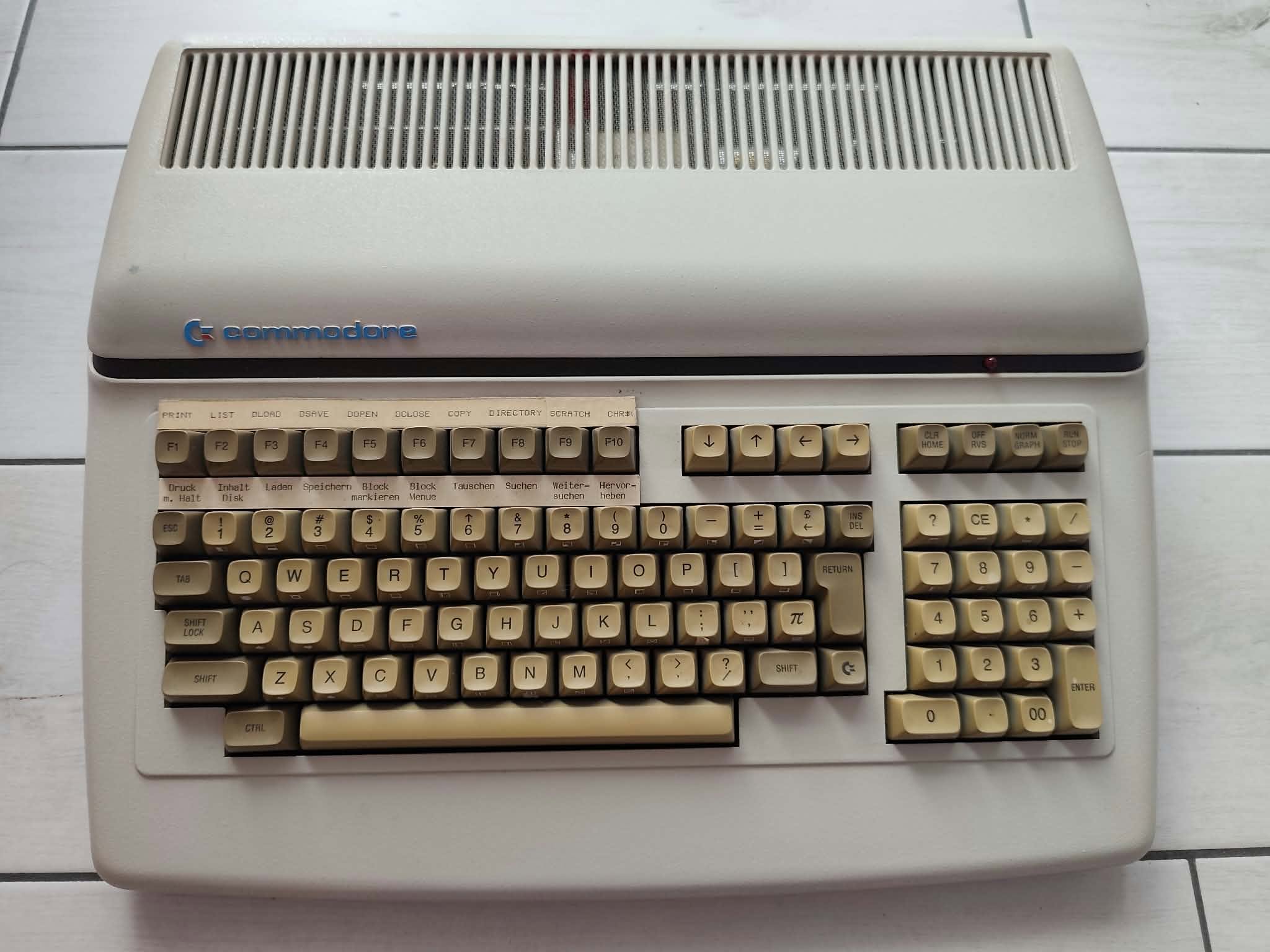
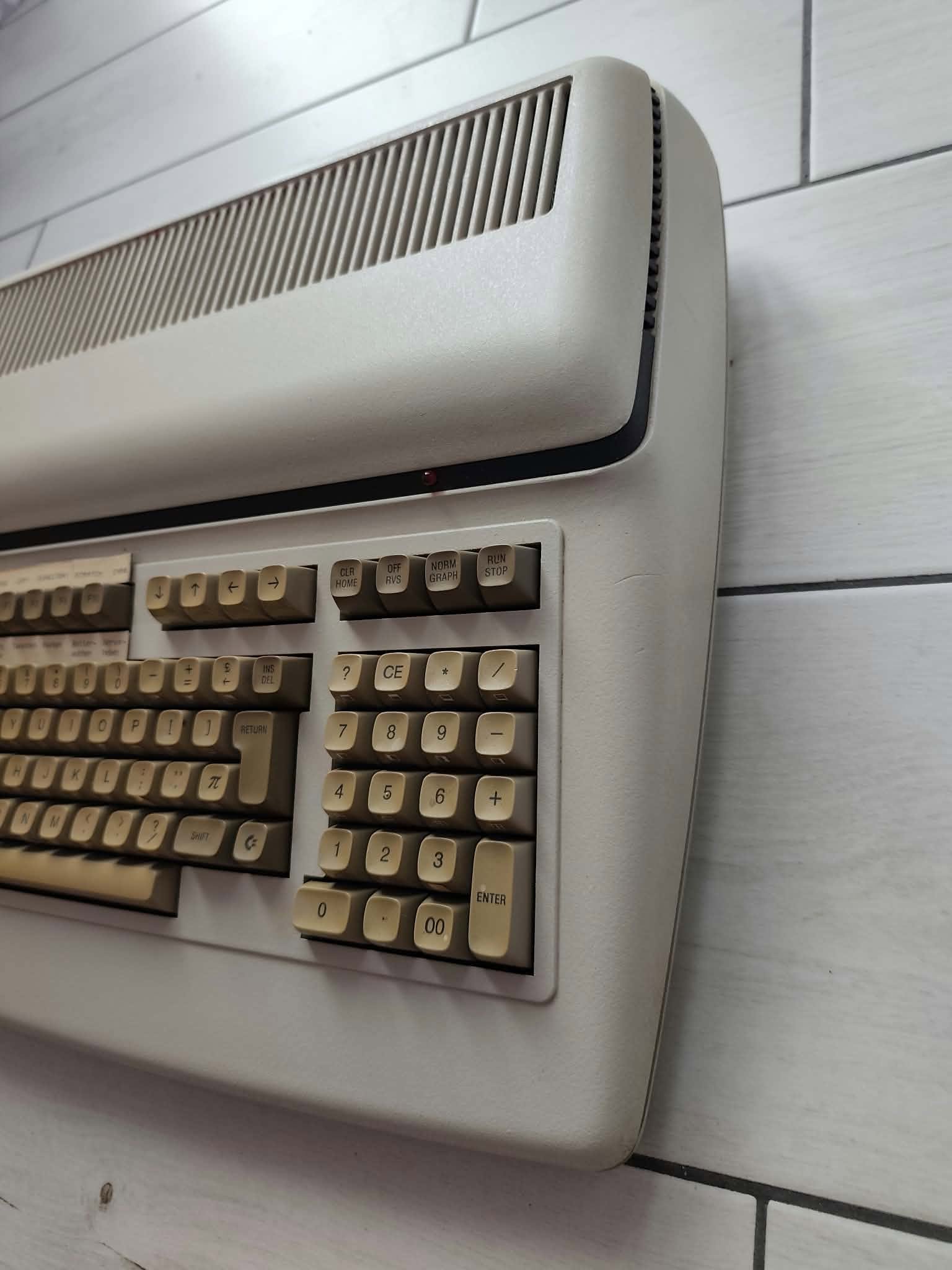
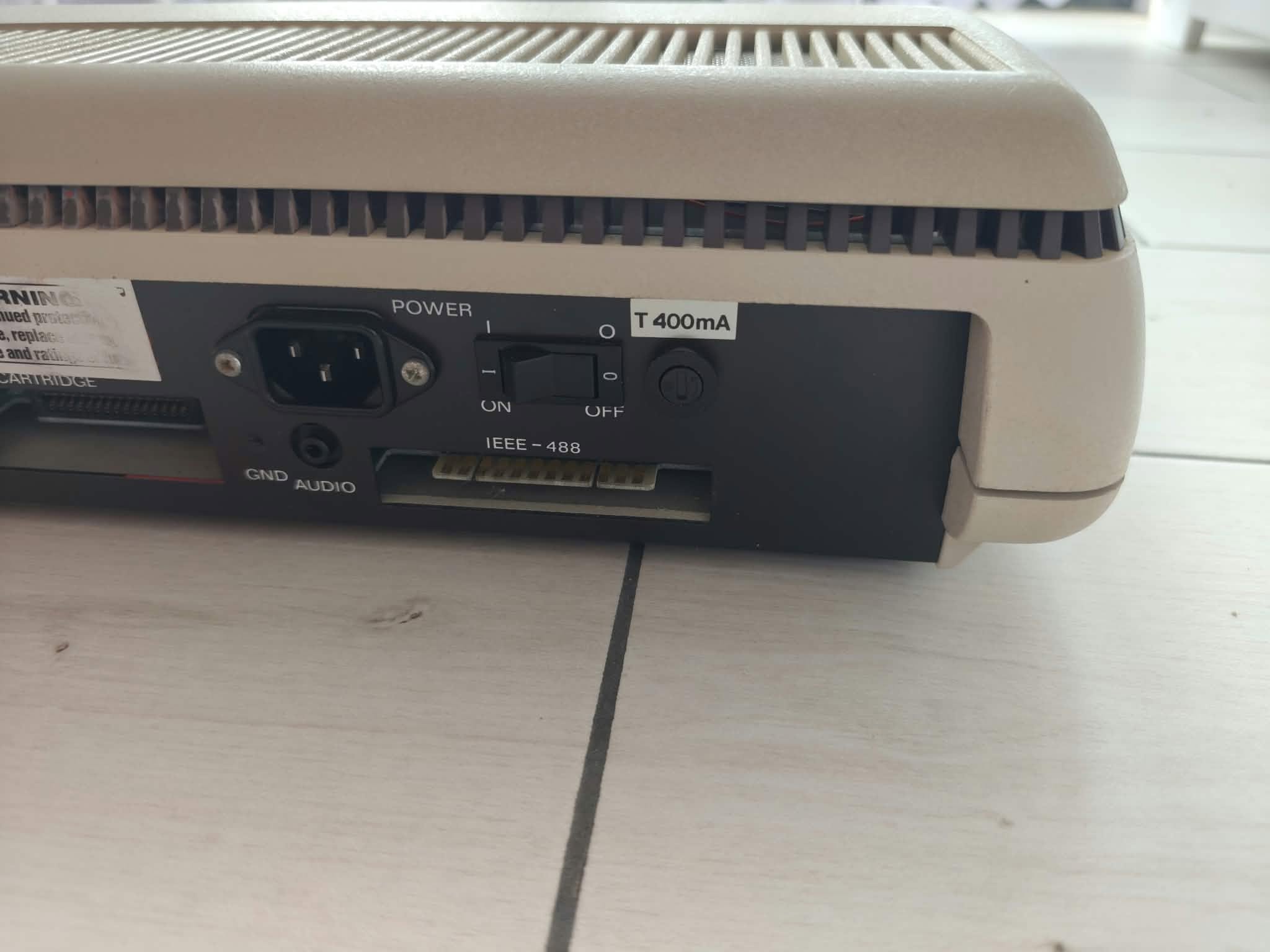
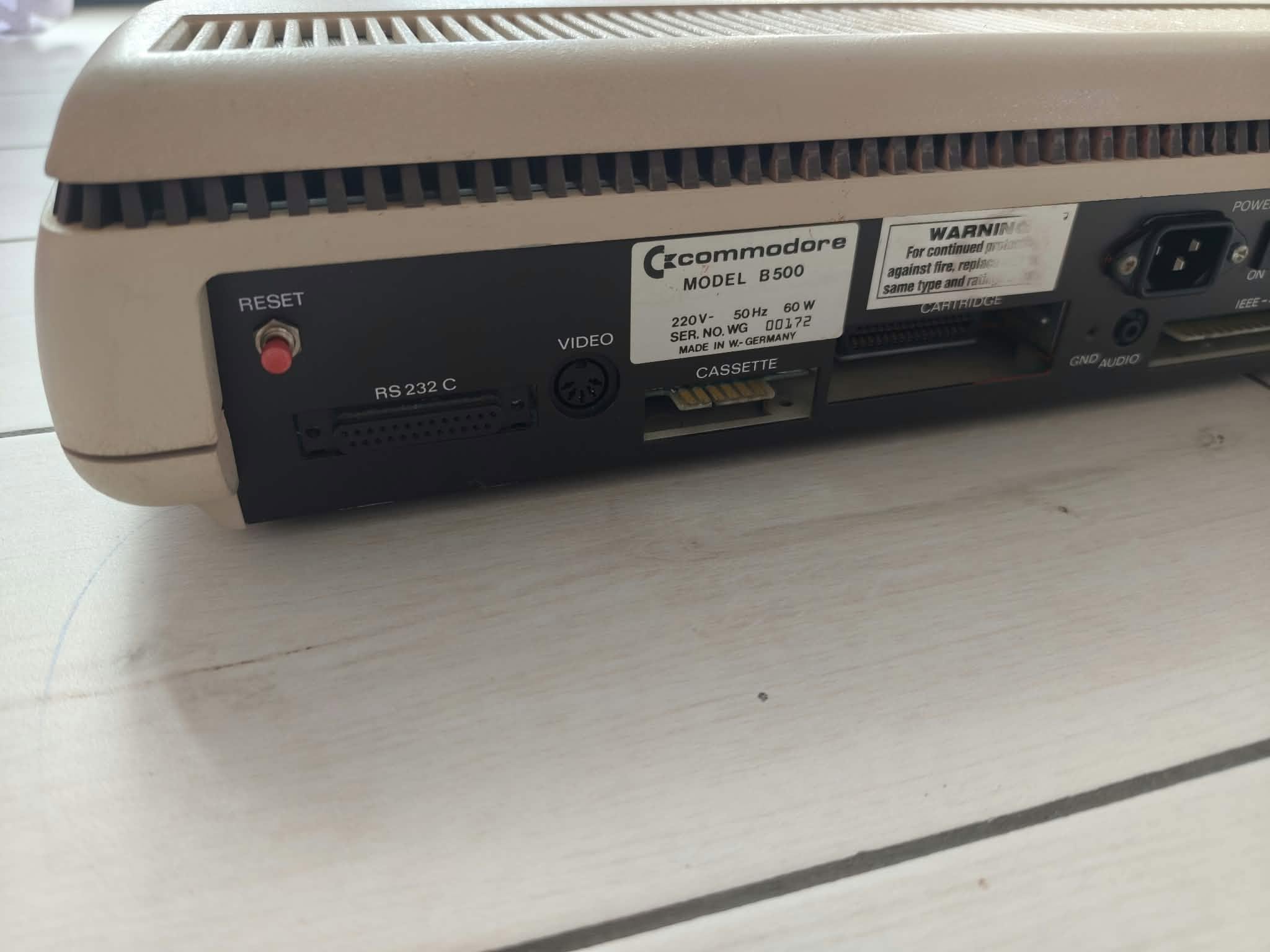
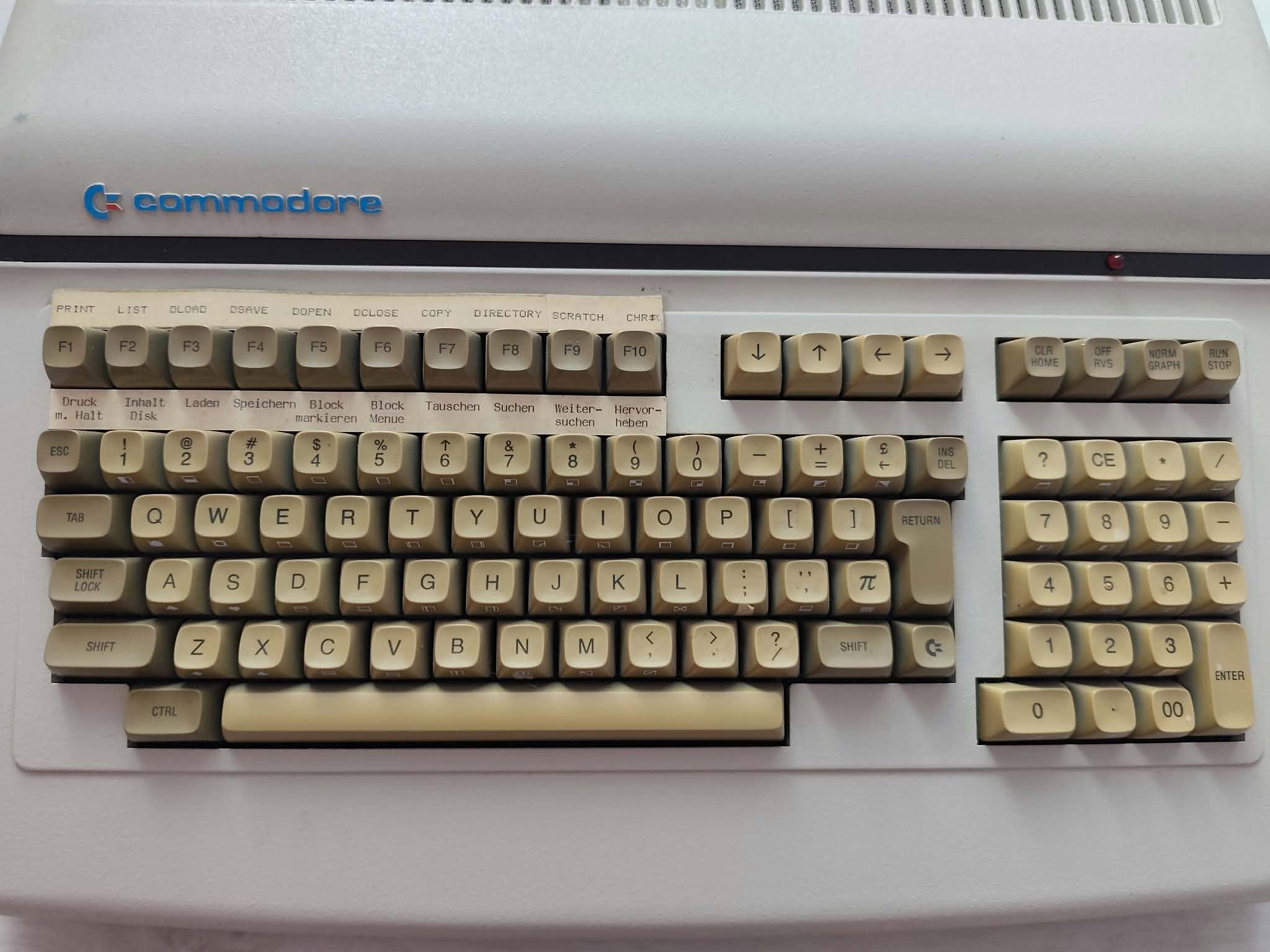
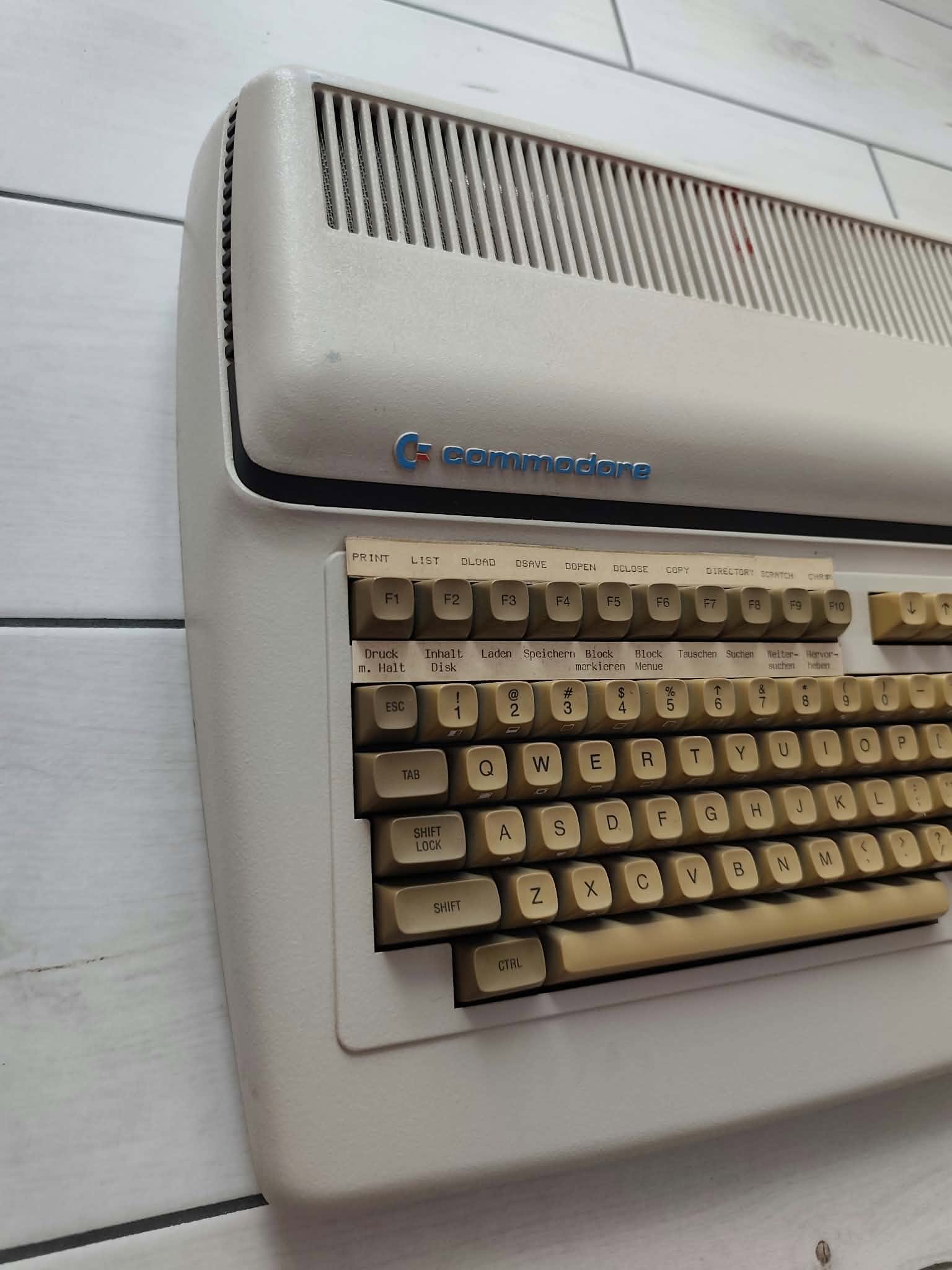
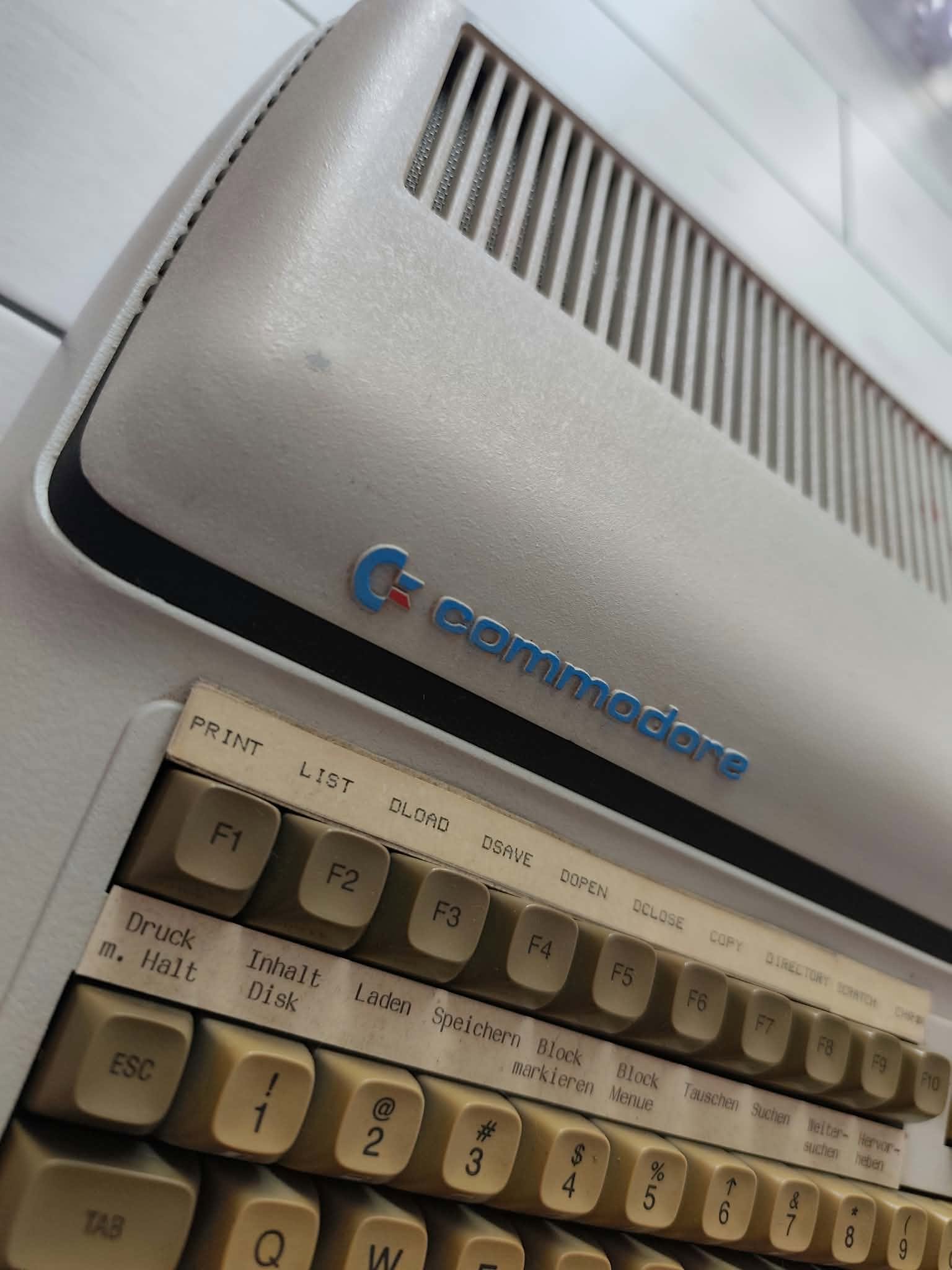
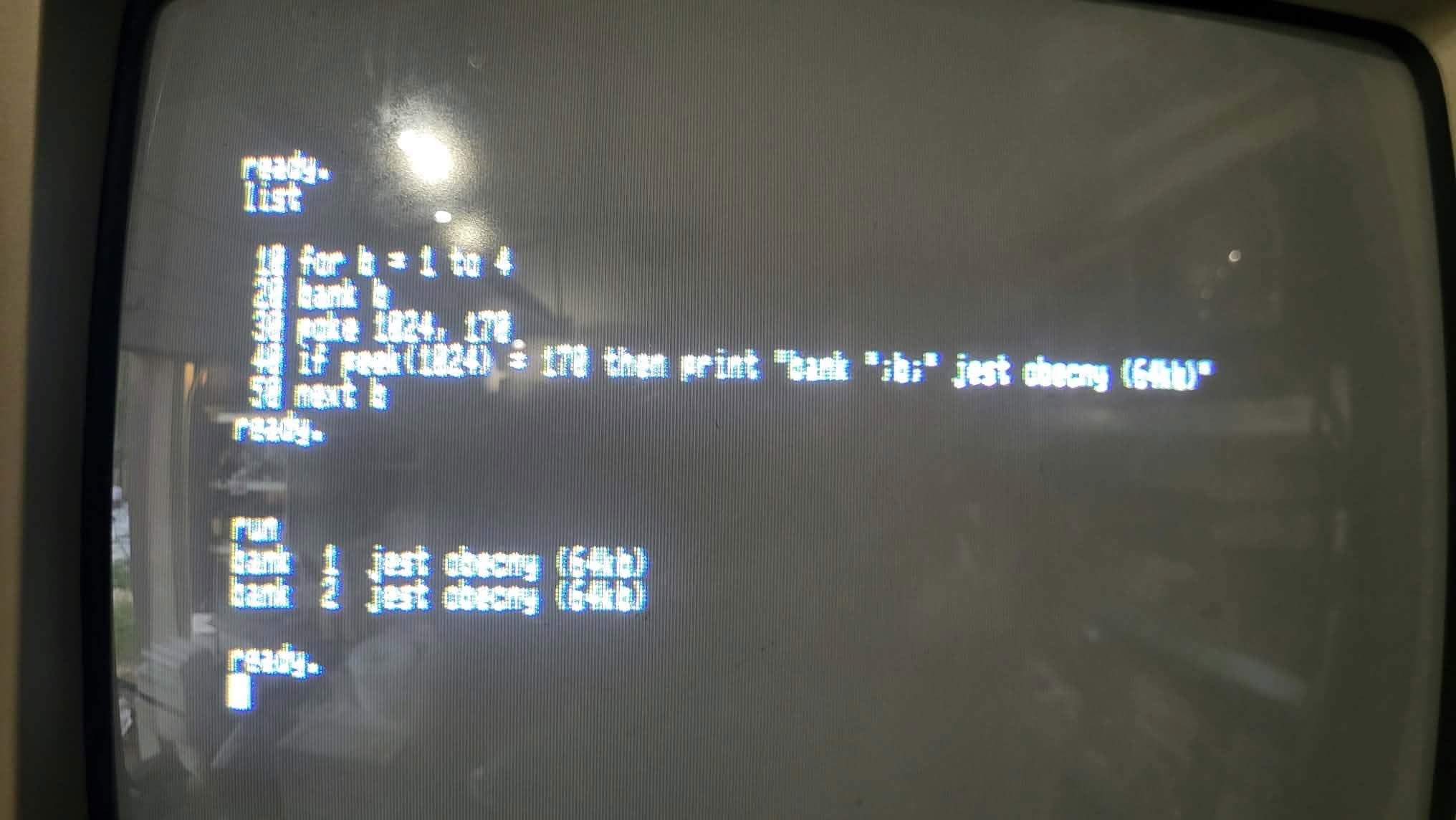
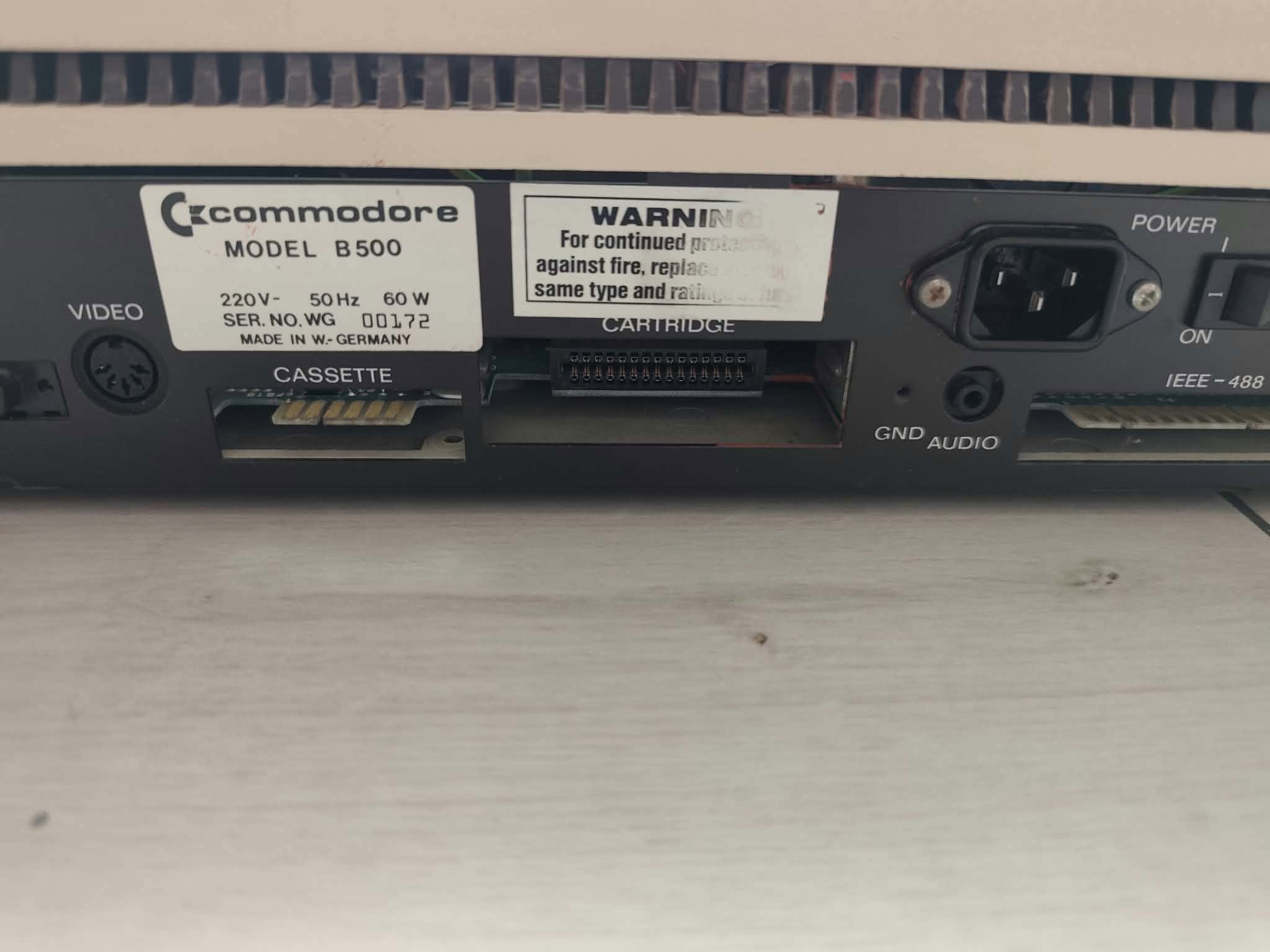
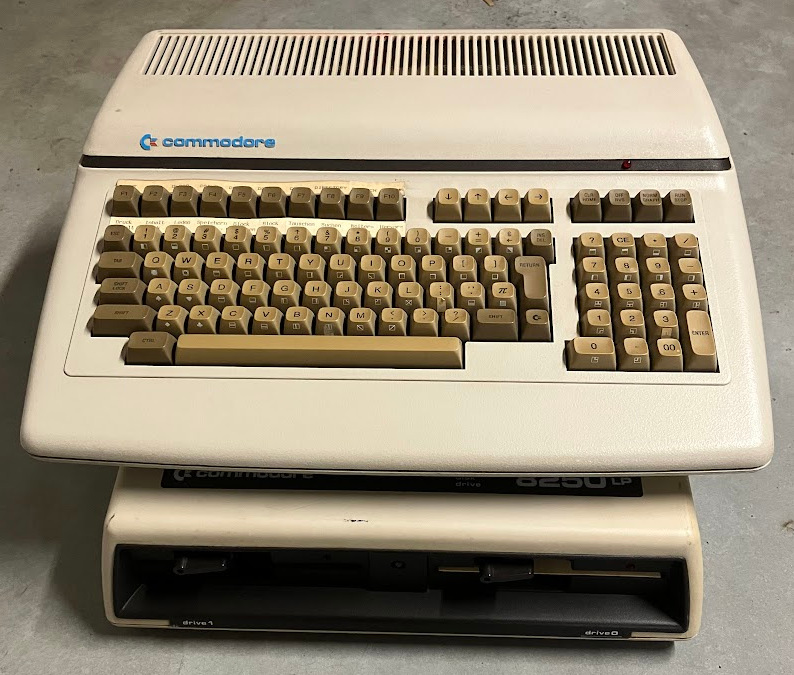
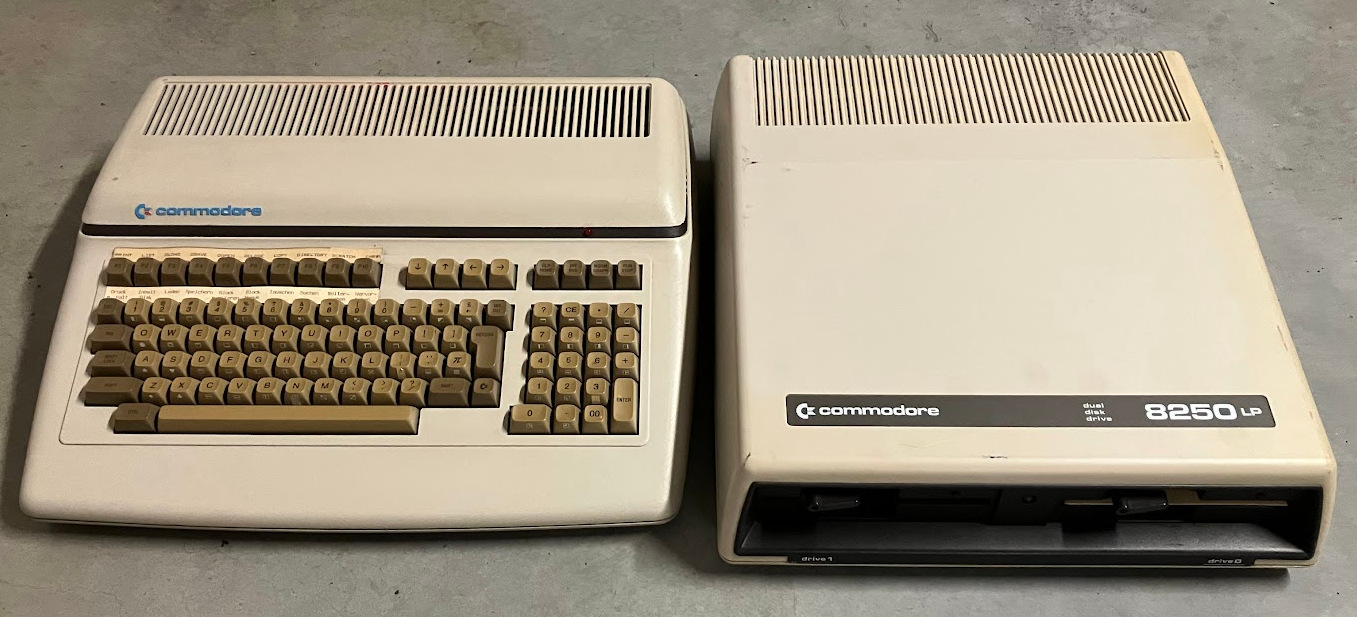
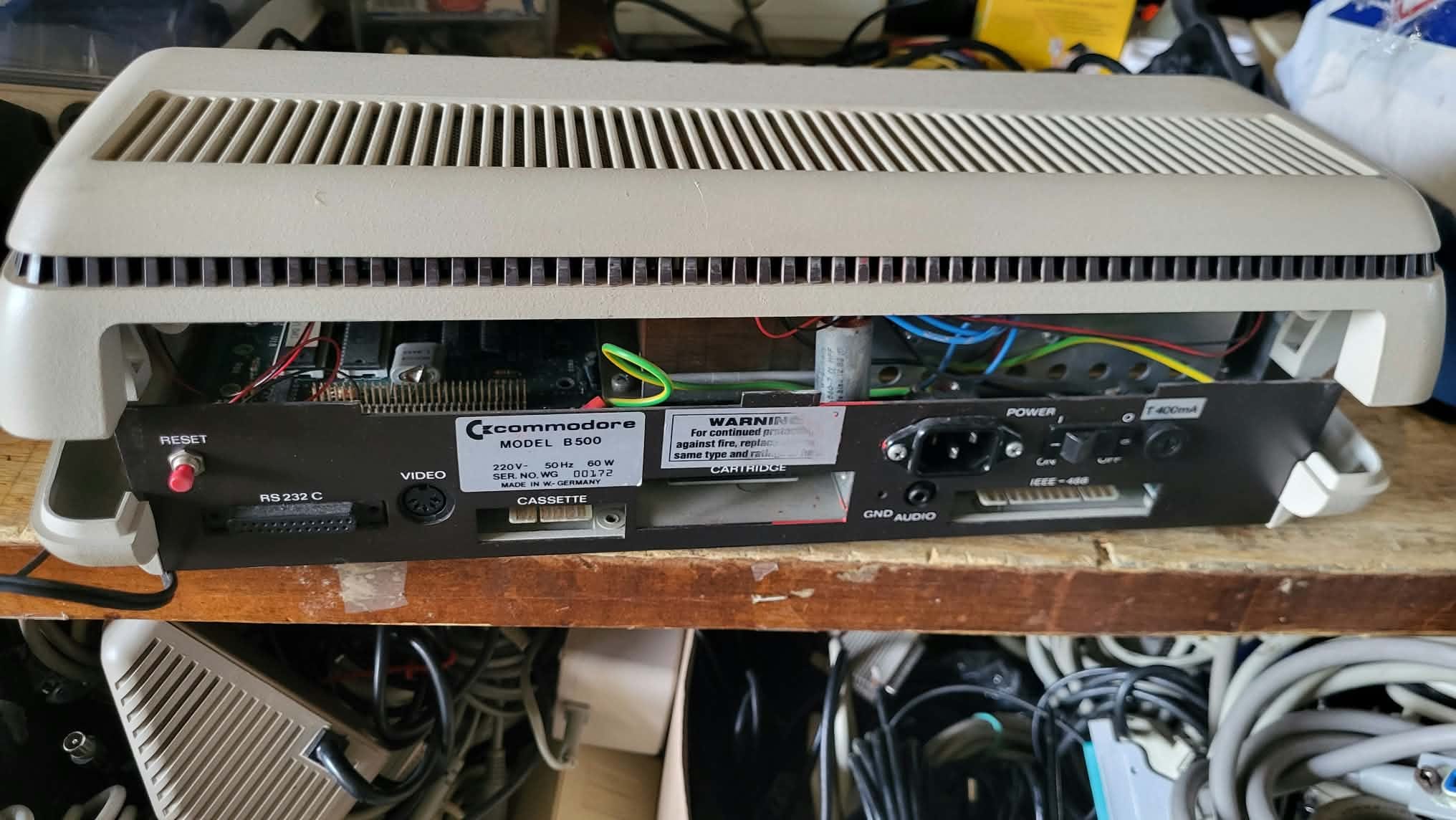
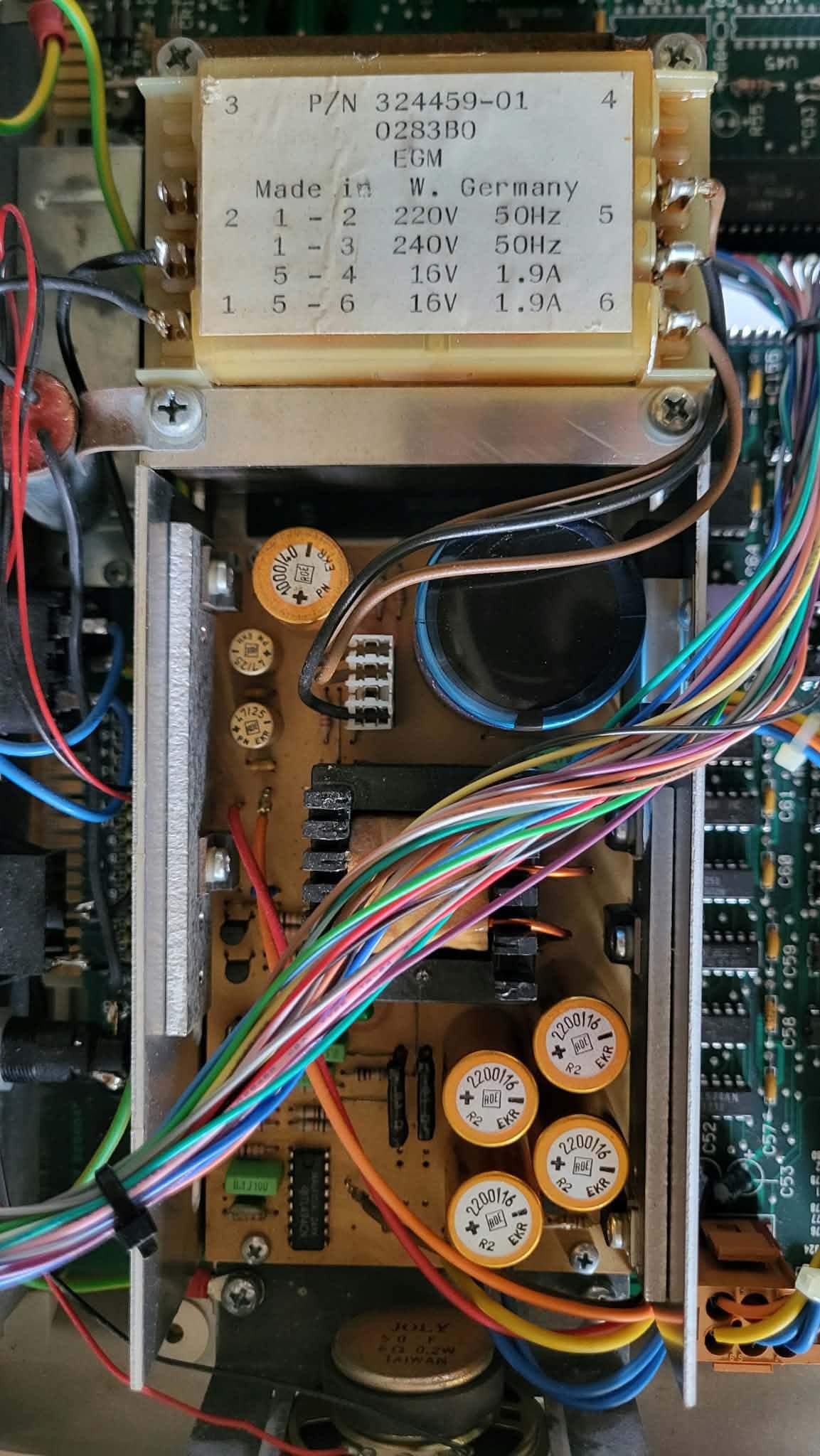
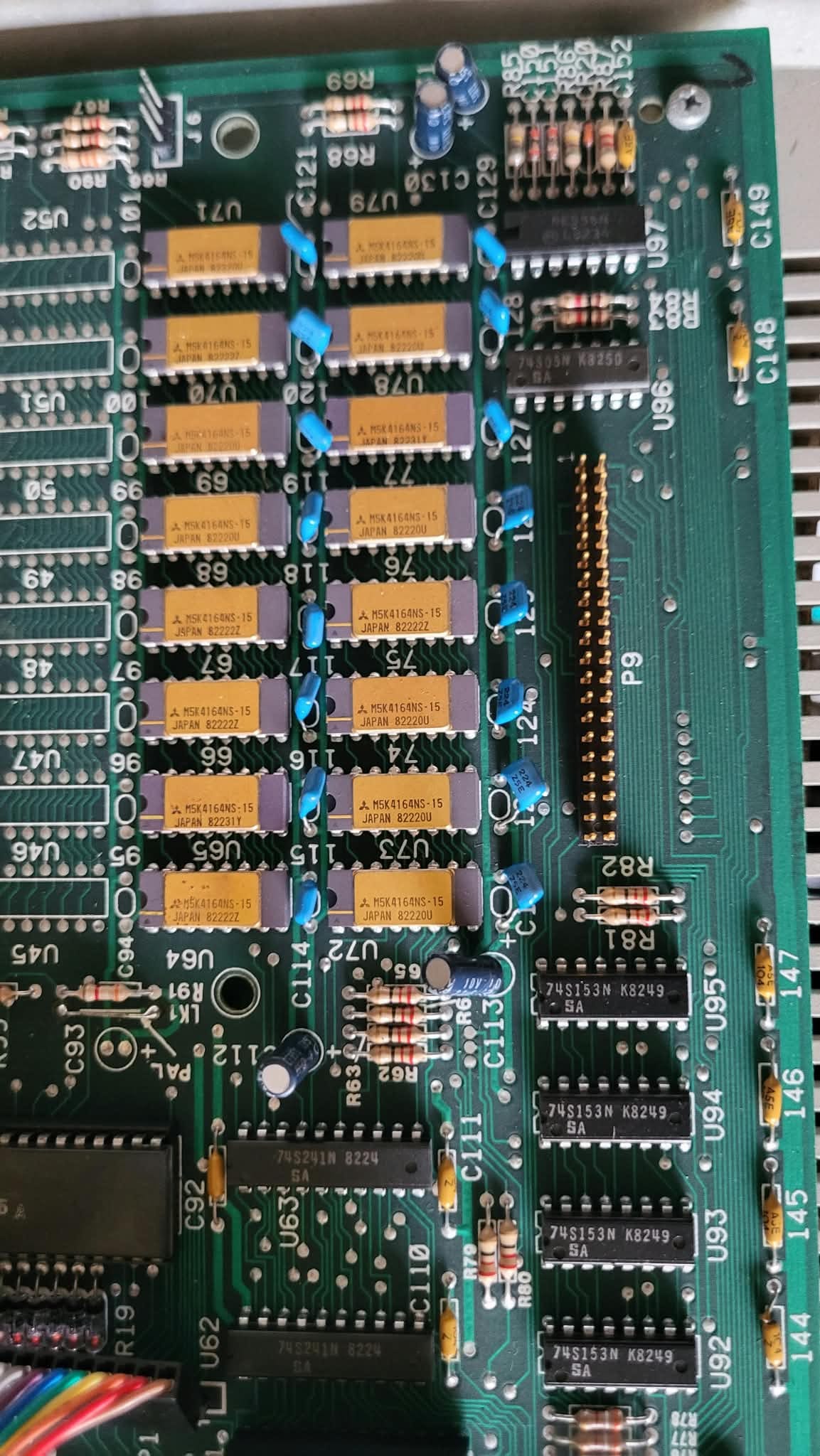
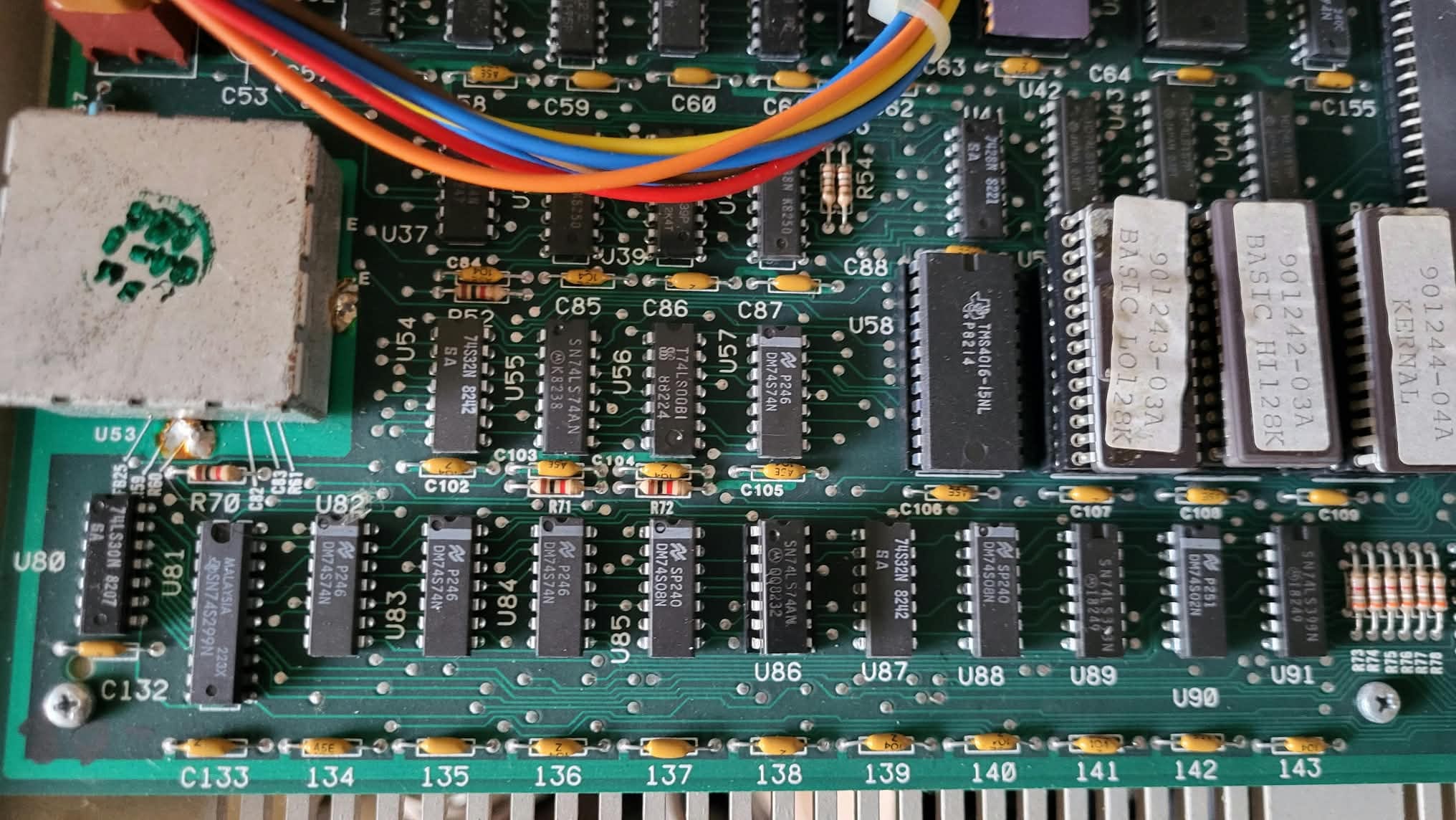
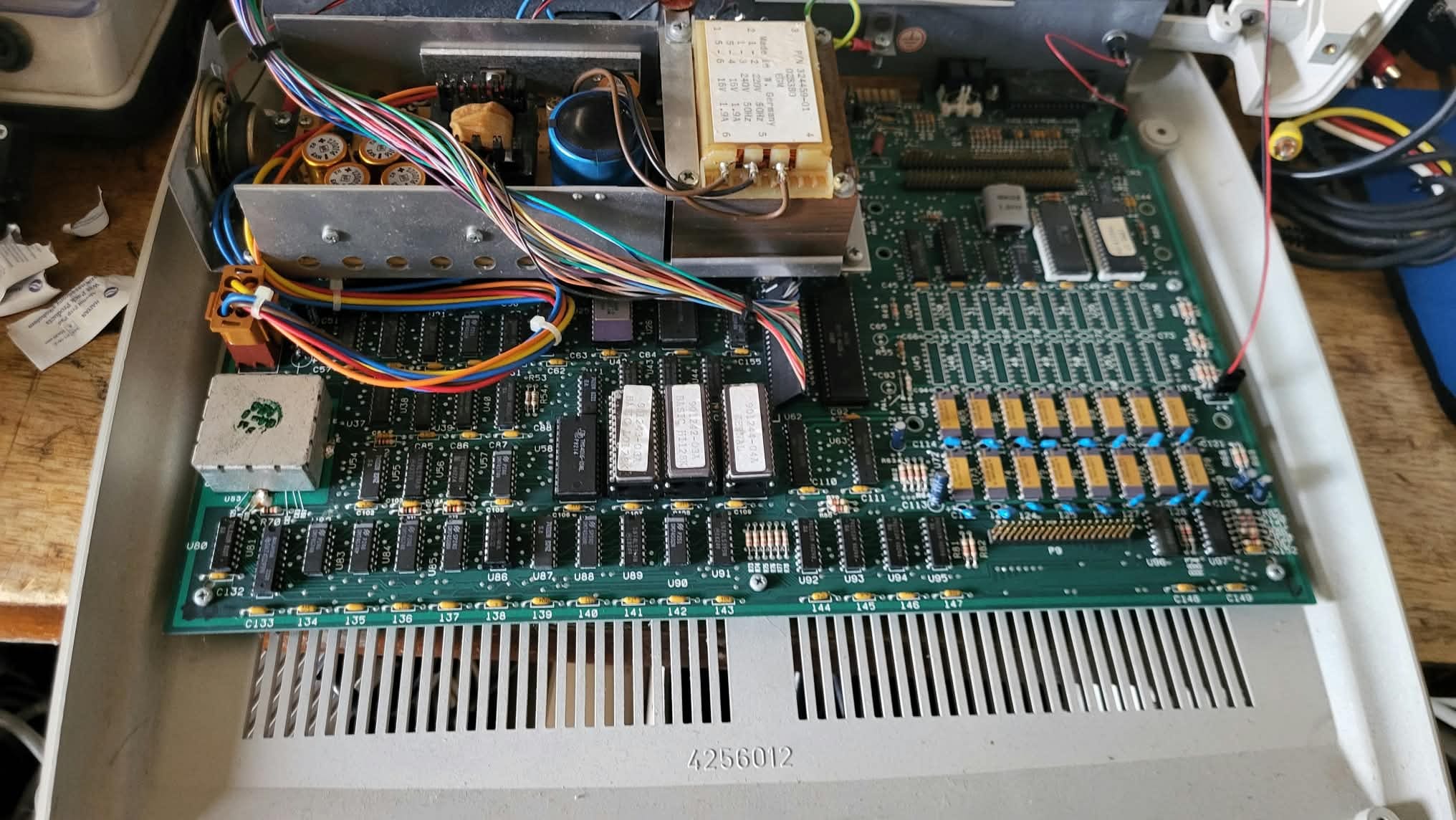
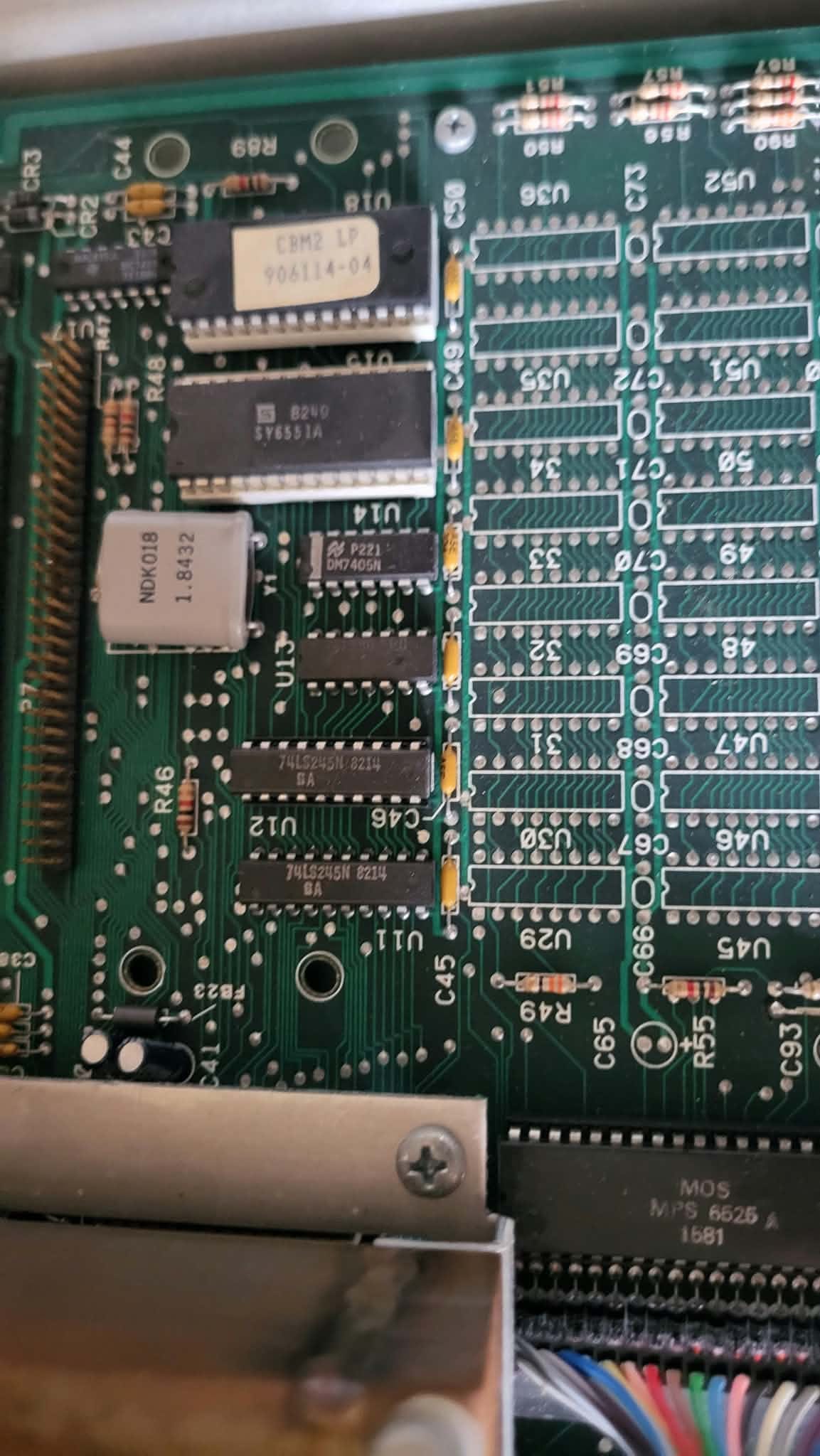
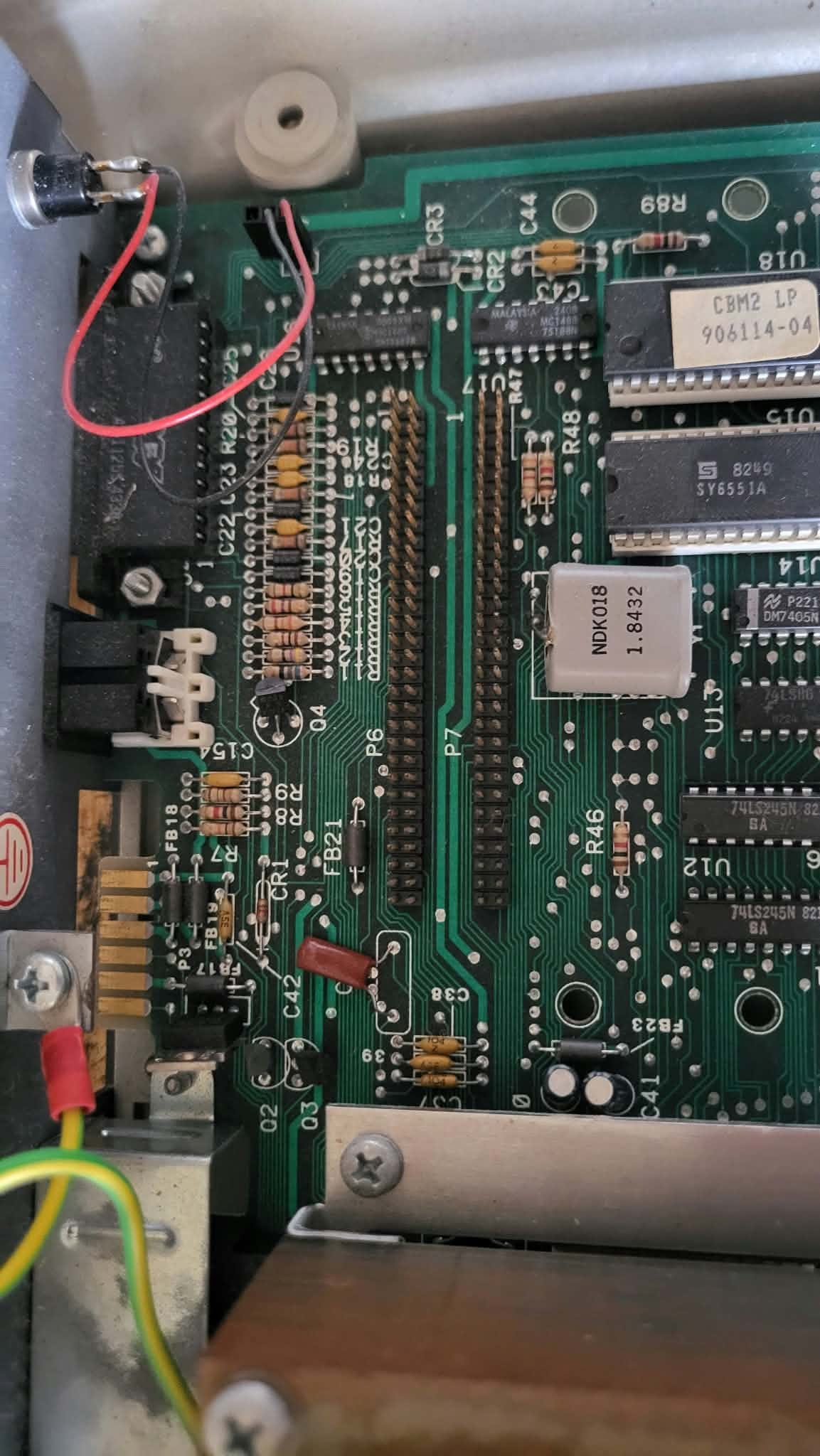
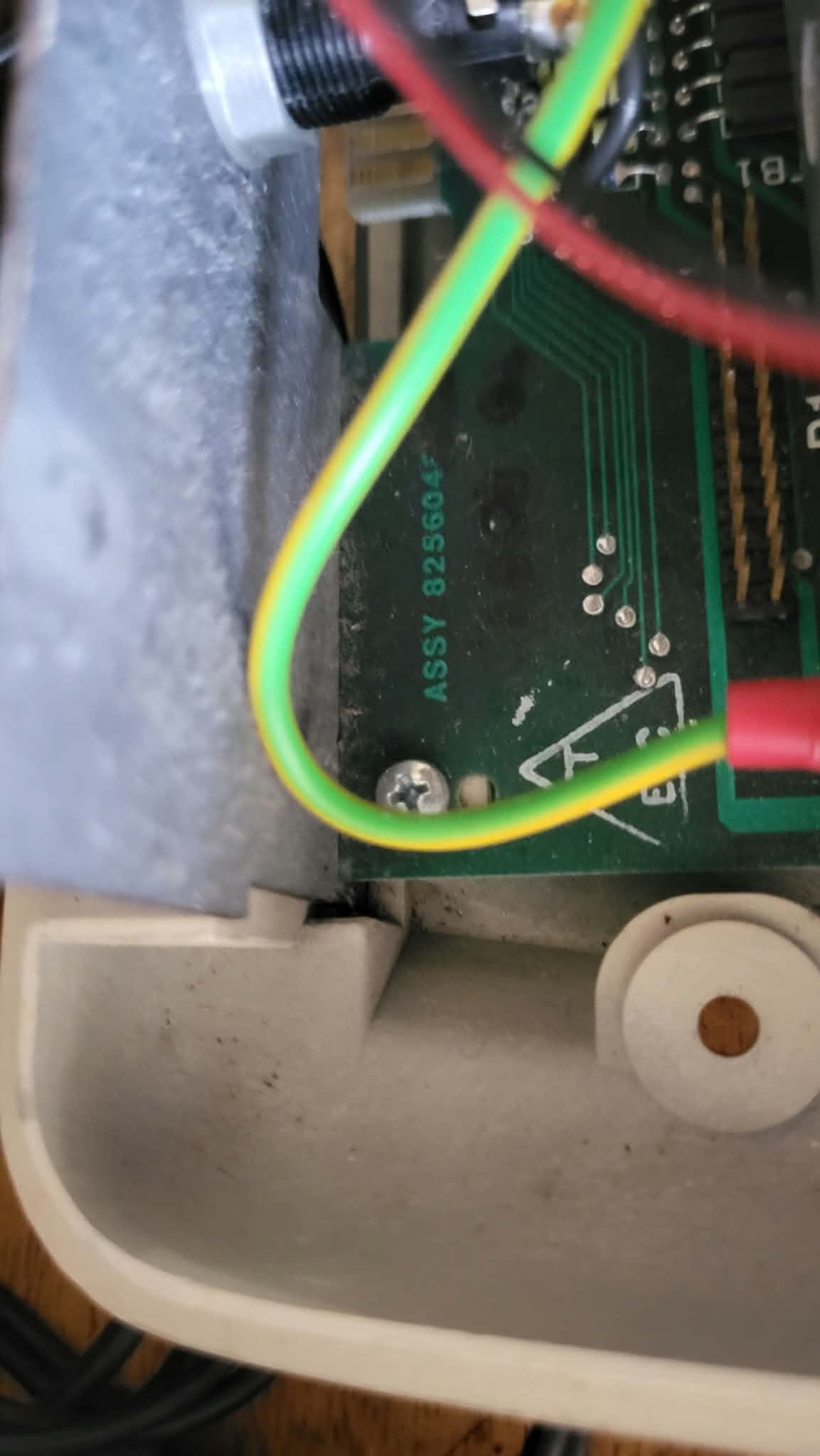
Commodore B500 – A Legendary CBM-II Prototype Preserved at 8BitCare We are thrilled to officially unveil one of the rarest gems in the history of vintage computing, now safely preserved and fully functional in the 8BitCare collection: the legendary Commodore B500. Introduced by Commodore in 1982 as part of the ambitious CBM-II line (also known as the B/P-Series), this low-profile business machine was designed by legendary designer Ira Velinsky to succeed the aging PET line. However, the B500 model never made it to mass commercial retail, making surviving units some of the most sought-after artifacts in the retro-computing world. A Rare Engineering Specimen: Serial #00172 While a few known prototypes reside in prestigious institutions like the Computer History Museum in California or the Home Computer Museum in the Netherlands, our specific unit sheds new light on Commodore’s early European operations. • Serial Number: 00172 – A pristine, incredibly low serial number confirming it belongs to the very first pre-production engineering run. • Origin: Made in West Germany – Manufactured at Commodore's famous facility in Braunschweig during the summer/autumn of 1982. • The Keyboard Hybrid: Intriguingly, the machine sports a standard QWERTY layout, but features functional and command keycaps entirely labeled in German (such as Druck/n. Halt, Inhalt/Disk, Laden, and Speichern). This unique hybrid configuration proves it was used as an early internal engineering or developer sample for the European market before language layouts were standardized. Technical Highlights & Verified Functionality The Commodore B500 is powered by the specialized MOS 6509 CPU, which utilizes advanced memory bank-switching, and features the famous MOS 6581 SID sound chip alongside a high-resolution 80-column text display driven by the 6545 CRTC. Most importantly, our Commodore B500 is complete and 100% operational. Using a custom-written BASIC 4.0 diagnostic script, we successfully tested and mapped the hardware architecture, confirming a flawless dual-bank 128 KB RAM configuration (64KB for system/BASIC code in Bank 1, and 64KB for variables/user data in Bank 2).
Photos